
KNEHO offers conventional one-component line marking paints in solvent-based and water-based versions for contractors who need reliable, easy-to-apply marking systems.
The range is designed for standard marking workflows: simple handling, conventional spray or airless application, and project-specific selection depending on substrate, environment and required performance.
Water-based systems are suited to projects where lower-odour, waterborne application is preferred. Solvent-based systems remain a robust option for demanding outdoor and industrial marking work.
1K solvent-based and water-based line marking paints
Standard road marking / spray / airless equipment
Roads, parking areas, urban surfaces and industrial floors
For applications where a waterborne 1K marking paint is preferred, including urban surfaces, parking areas and selected industrial projects.
A practical option for standard professional marking where robust application and site tolerance are required.
Designed around familiar contractor workflows using conventional marking, spray or airless equipment.
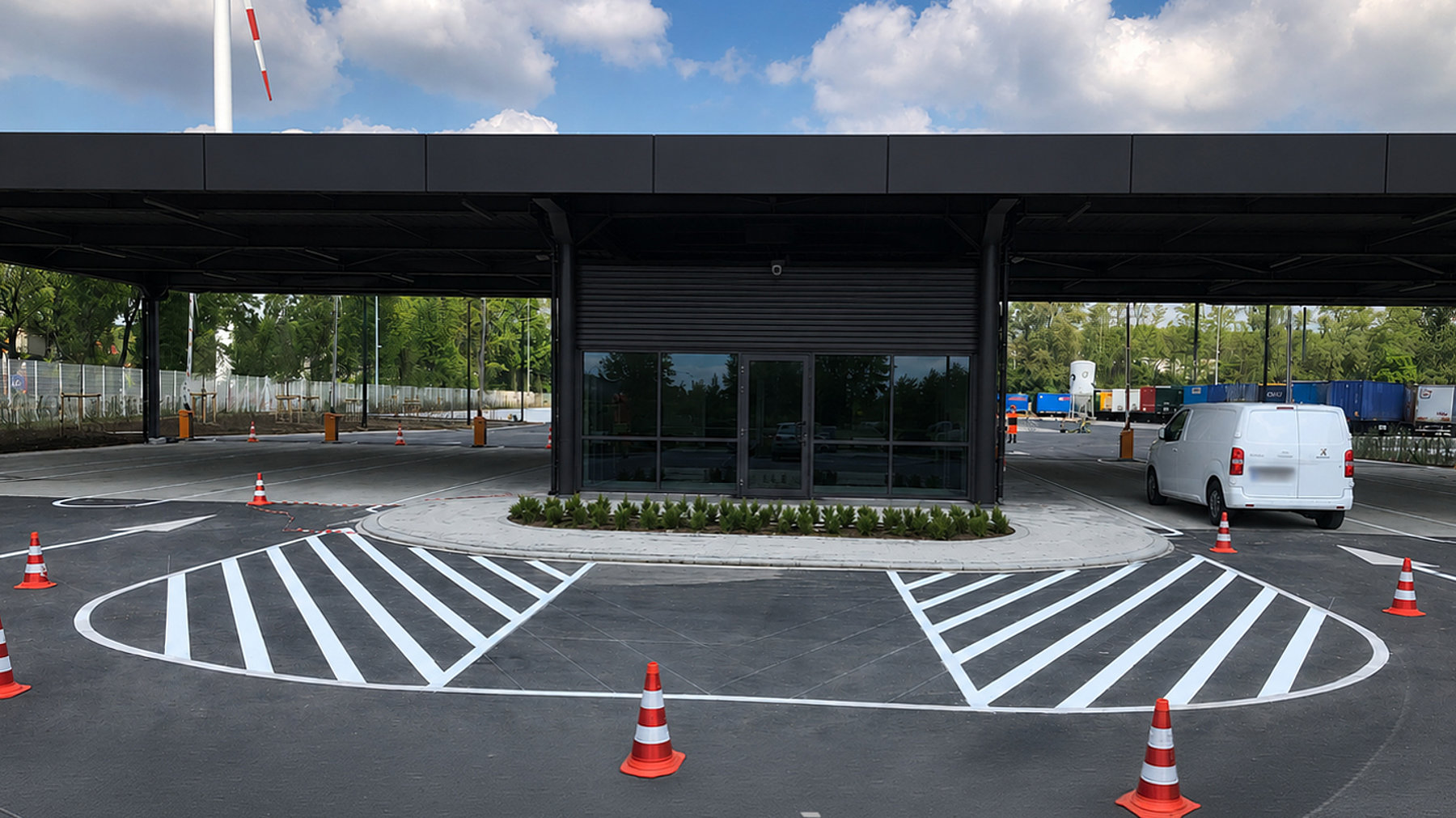

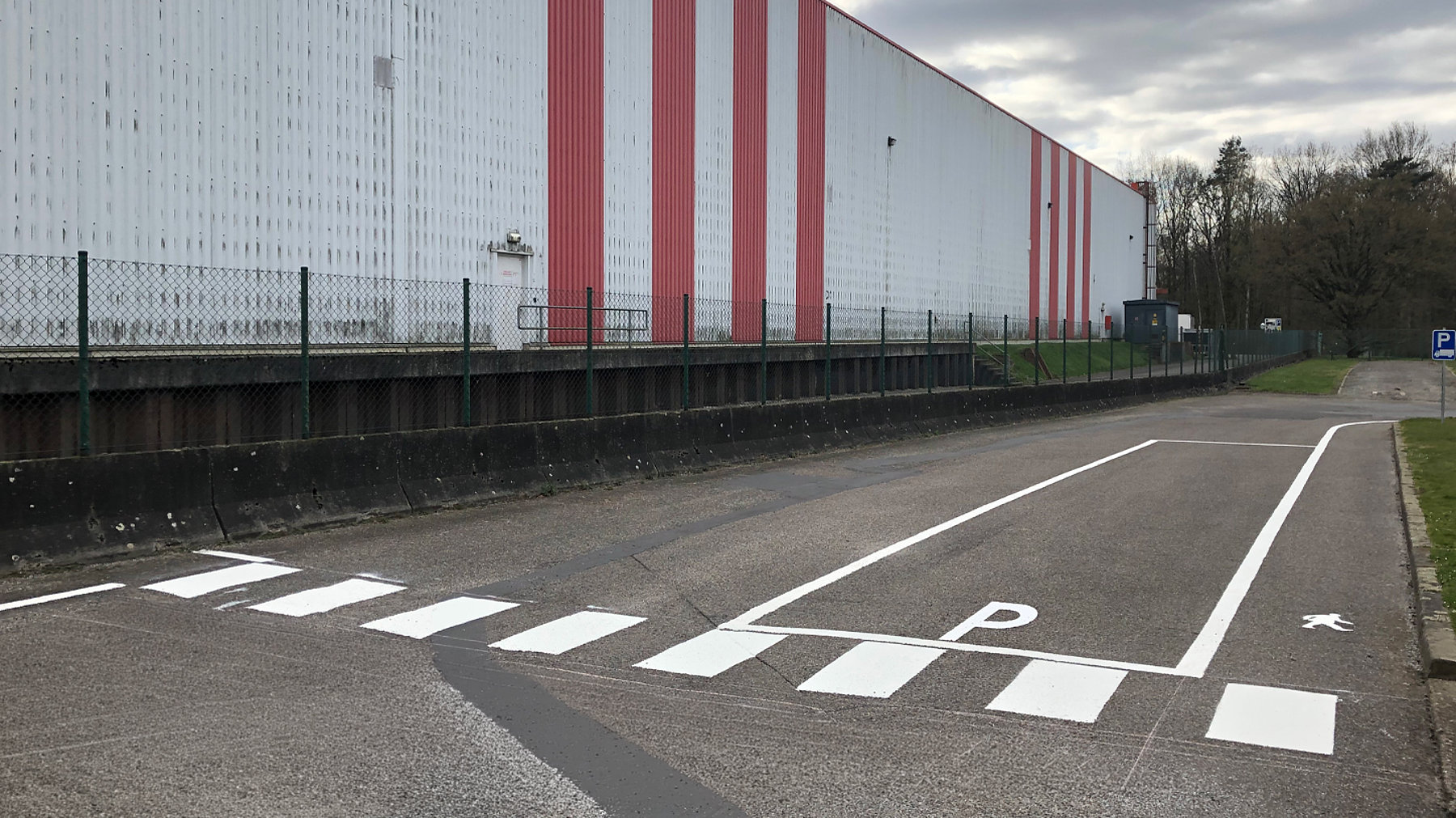
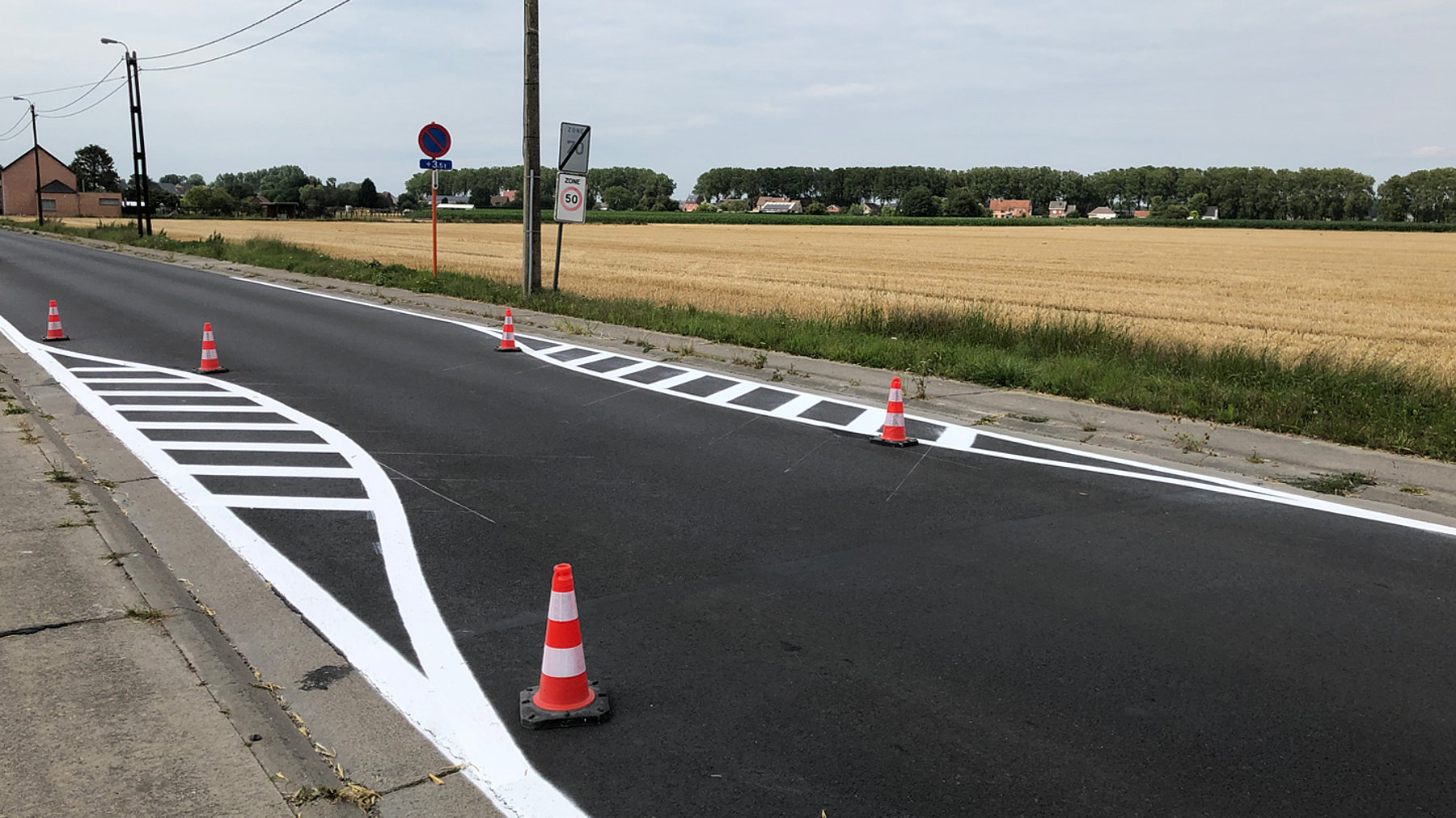
Some projects do not require a complex specialist system. They need a reliable 1K paint that is easy to apply, clear to specify and suitable for the substrate and site conditions.
A generic 1K marking paint offer with both water-based and solvent-based options, supported by practical product selection for the project environment.
| System | One-component line marking paint range |
| Versions | Solvent-based and water-based |
| Application | Standard road marking / spray / airless equipment |
| Substrates | Asphalt, concrete and suitable prepared surfaces |
| Typical use | Roads, parking areas |
| Colours | Standard colours and project-specific colour options |
| Selection | Product choice based on substrate, environment and performance requirement |
| Support | Application guidance and project discussion with KNEHO |
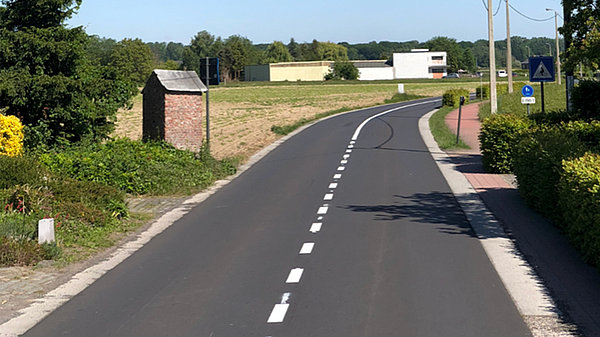
KNEHO can support contractors and specifiers in choosing between solvent-based and water-based one-component marking paints according to substrate, use case and application conditions.